
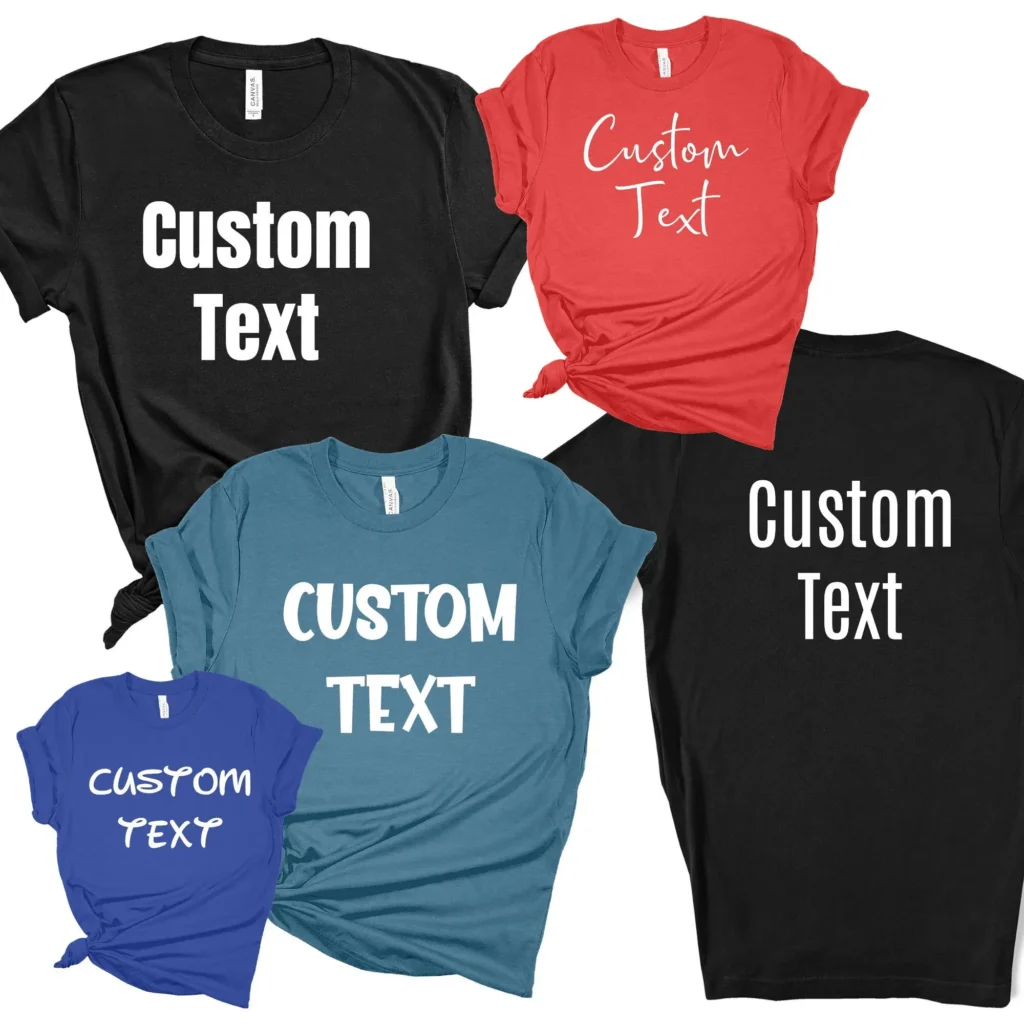
Custom shirts have evolved from simple wardrobe staples to a personal statement of fit, fabric, and style. If you’ve ever bought off-the-rack shirts that never quite sit right in the shoulders or sleeves, you know why custom shirts are worth the effort. This guide helps you design shirts that fit your unique measurements, reflect your taste, and stand up to everyday wear by focusing on shirt design ideas, fabric and fit guidance, and a reliable size guide for shirts. Monogramming and customization let you add a personal touch, from initials to discreet detailing, while selecting fabric weight and finish for every season. With the right approach, you’ll create shirts that look great and feel comfortable all day, turning everyday wear into a confident statement.
Beyond mass-made options, you can explore bespoke shirts and made-to-measure pieces that adapt to your posture and daily routine. These tailored garments begin with precise measurements and careful fabric selection, then move through construction details that ensure comfort and a clean silhouette. This approach mirrors how a quality shirt is built—from sturdy seams to a collar and cuffs that sit neatly—while considering sustainable fabrics and wear testing. Whether you call it bespoke, made-to-measure, or custom tailoring, the result is a wardrobe staple that moves with you and reflects your personal style.
1) The Foundation of Great Shirts: Fit, Fabric, and Finish
Great shirts start with three core elements: fit, fabric, and finish. When you design custom shirts, the fit is the backbone that determines comfort throughout the day and the sharpness of your silhouette in any setting. By taking precise measurements—chest, waist, hip, sleeve length, shoulder slope, neck circumference, and armhole size—you create a garment that moves with you rather than fighting against you.
Fabric choice sets the tone for comfort and appearance. Cotton remains versatile and breathable, with options like poplin, broadcloth, twill, and oxford offering distinct hand feels and levels of durability. A heavier fabric gives structure, while lighter weaves drape gracefully and can reveal wrinkles more easily. When paired with thoughtful finish details—quality seams, crisp hems, and appropriate pressing—the result is a shirt that looks polished and feels effortless all day.
2) Measuring for a Perfect Fit: The Size Guide for Shirts
Accurate measurements are the foundation of a well-fitting shirt. Start with the neck circumference and sleeve length, then move to chest/bust and waist measurements. Don’t overlook shoulder width and upper arm circumference, which influence fit around the neck and arms. A reliable size guide helps you choose between slim, regular, or relaxed fits and communicates exactly what to share with your tailor.
Beyond numbers, posture plays a crucial role. Desk-bound wearers may want a bit more room across the back to prevent pulling, while taller individuals might need longer sleeves and shirt length to avoid ride-up. By specifying posture preferences and comfort concerns—such as shoulder tightness or chest openness—you ensure the final shirt sits and moves correctly at every moment.
3) Design Ideas and Personalization: From Classic to Modern
Shirt design ideas are where personal style meets function. Start with collars—classic point collars for formal settings, or spread and cutaway collars for a contemporary edge. Collar height and roll influence how your face reads in photos or meetings, so choose proportions that suit your jawline and neck length.
Cuffs, plackets, yokes, and pockets provide texture and utility, from traditional button cuffs to formal French cuffs. For a touch of personality, monogramming or subtle embroidery lets you showcase initials or a favorite motif in tasteful locations such as a chest pocket or cuff lining. Color blocking and contrasting inner details also offer a distinctive look while keeping the shirt versatile for various outfits.
4) The Practicalities of Fabric and Fit: A Working Guide
Choosing fabric and defining fit go hand in hand with practical wear. Consider climate, how often you’ll wear the shirt, and how easily you want it to wrinkle. Cotton blends can balance softness and durability, while pure cotton provides breathable, crisp styling that improves with wear. The interaction between fabric weight, weave, and finish and your body movement shapes how the shirt performs in daily life.
A well-considered fit works with your movements, not against them. Heavier fabrics offer more structure and a crisp silhouette, but may feel stiffer at the shoulders. Lighter fabrics drape gracefully yet can show wrinkles if the shirt isn’t cut with the right ease. Balancing these factors ensures a shirt that sits cleanly across the chest and back and feels comfortable in a wide range of activities.
5) Customization Beyond the Basics: Monogramming, Embroidery, and Details
Beyond standard silhouettes, customization opens up long-term wardrobe possibilities. Monogramming and embroidery add a refined personal touch, making each shirt feel tailored to you. You can place monograms on the chest pocket, cuff lining, or inside plackets for a subtle, private signature that enhances the shirt’s personality without sacrificing versatility.
Advanced customization also includes selecting contrasting inner cuffs or collars, color-blocked panels, or unique stitching. These details let you tell a story through your wardrobe while keeping the garment flexible enough to pair with different outfits. With custom shirts, personalization becomes about aligning design choices with real-life use, from daily commutes to special occasions.
6) Ordering and Caring for Your Custom Shirts: From Mock-Ups to Longevity
The ordering journey centers on clear communication and iterative fittings. Request a mock-up or a fitting session to confirm shoulder line, sleeve length, and collar height before finalizing the order. Sharing precise measurements and any comfort concerns helps ensure the final shirt truly fits your body and lifestyle.
Care and longevity complete the value of a custom shirt. Proper washing, drying, and ironing routines maintain shape and crispness, helping the garment hold color and resist wear over years of use. When you invest in a few key pieces, prioritize fabrics that age well and maintain a polished look after many cleanings, ensuring your custom shirts remain a reliable foundation for every outfit.
Frequently Asked Questions
Why should you choose custom shirts over off-the-rack options?
Custom shirts offer a fit built around your measurements and posture, with a collar that sits perfectly and sleeves that end at the right length. By following fabric and fit guidance, you select fabric weight and weave that suit your climate and daily wear, delivering comfort and a polished look.
How can I use a size guide for shirts to ensure a perfect fit when ordering custom shirts?
Start with neck circumference, sleeve length, chest/bust, waist, and shoulder width, then consider posture and arm circumference. A reliable size guide for shirts helps you decide between slim, regular, or relaxed fits, and sharing these details with your maker translates measurements into a flattering, comfortable shirt.
What are some shirt design ideas I can explore with custom shirts to reflect my personal style?
Explore collars (point, spread, or cutaway), cuffs (button or French), plackets, yokes, and pockets to shape the overall look. Monogramming and customization offer options like initials or motifs on the chest pocket or inner cuffs, with color blocking or contrasting stitching to express your style.
Which fabrics are best for different climates when designing custom shirts, and how do they affect fabric and fit guidance?
Cotton varieties like poplin, broadcloth, twill, and oxford provide different hand-feel, weight, and drape. Lighter fabrics breathe and drape well for warmer climates, while heavier fabrics offer structure. When paired with your chosen fit, these fabrics deliver comfort, durability, and a sharp silhouette.
How does monogramming and customization work on custom shirts, and where should I place the personalization?
Monogramming and customization let you add initials, motifs, or a brand emblem in discreet locations such as a chest pocket, cuff lining, or interior placket. This personal touch keeps the shirt versatile for different occasions while enhancing its uniqueness.
What steps should I take when ordering custom shirts to ensure a precise fit and durable finish?
Use a size guide for shirts to collect accurate measurements, then select fabric and fit with fabric and fit guidance in mind. Decide on design details, request a mock-up or fitting session, and communicate any alterations. Proper care will help maintain fit and color longevity over time.
| Aspect | Key Points | Notes |
|---|---|---|
| The Fundamentals: Fit, Fabric, and Finish | Fit is the backbone of a great shirt. Key measurements include chest/bust, waist, hip, sleeve length; shoulder slope, neck circumference, and armhole size. Fabric choices include cotton variants (poplin, broadcloth, twill, oxford). Consider fabric weight, weave, and finish, as these affect movement and feel. | A well-chosen fabric and precise fit create comfort and a sharp silhouette. |
| Measuring for a Perfect Fit: The Size Guide for Shirts | Start with neck circumference and sleeve length; then chest/bust and waist. Include shoulder width and upper arm circumference. Choose between slim, regular, or relaxed fit. Posture matters; taller wearers may need longer sleeves. Communicate posture and comfort needs to your maker. | Clear measurements and posture notes yield a better fit and wearability. |
| Design Ideas and Personalization: From Classic to Modern | Collars: point, spread, or cutaway. Cuffs: button or French. Plackets, yokes, and pockets can be customized. Monogramming or embroidery for personalization. Consider color blocking or contrasting inner details for a distinctive look while keeping the shirt versatile. | Personalization should enhance style without compromising wearability. |
| The Practicalities of Ordering Custom Shirts | Choose fabric based on climate, wear frequency, and wrinkle resistance. Cotton blends offer softness and durability; pure cotton delivers breathability and crispness. Communicate measurements and desired ease; request a mock-up or fitting session to confirm proportions before finalizing. Plan care: proper washing, drying, and ironing. Select fabrics that hold color well and resist pilling for longevity. | A thorough fitting session helps catch issues early and reduces later alterations. |
| Beyond the Standard: Advanced Customization and Sustainability | Explore performance fabrics for travel or active wear (moisture-wicking finishes). Consider sustainable options such as organic cotton or recycled blends while preserving luxury and fit. | Customization can balance function, care, and sustainability alongside personal style. |
Summary
Custom shirts transform how you approach clothing by aligning fit, fabric, and personalization with your real-life needs. With careful measurements and thoughtful fabric choices, you can design shirts that sit perfectly on the shoulders, drape smoothly, and move with you through every activity. Custom shirts offer a durable, versatile solution for work, weekends, and special occasions, delivering a polished silhouette and lasting comfort. By communicating posture, preferences, and care expectations to your maker, you’ll build a collection that reflects your taste and stands up to everyday wear. In a market dominated by off-the-rack options, custom shirts remain the optimal way to achieve flawless fit, consistent quality, and a signature look that truly lasts.