
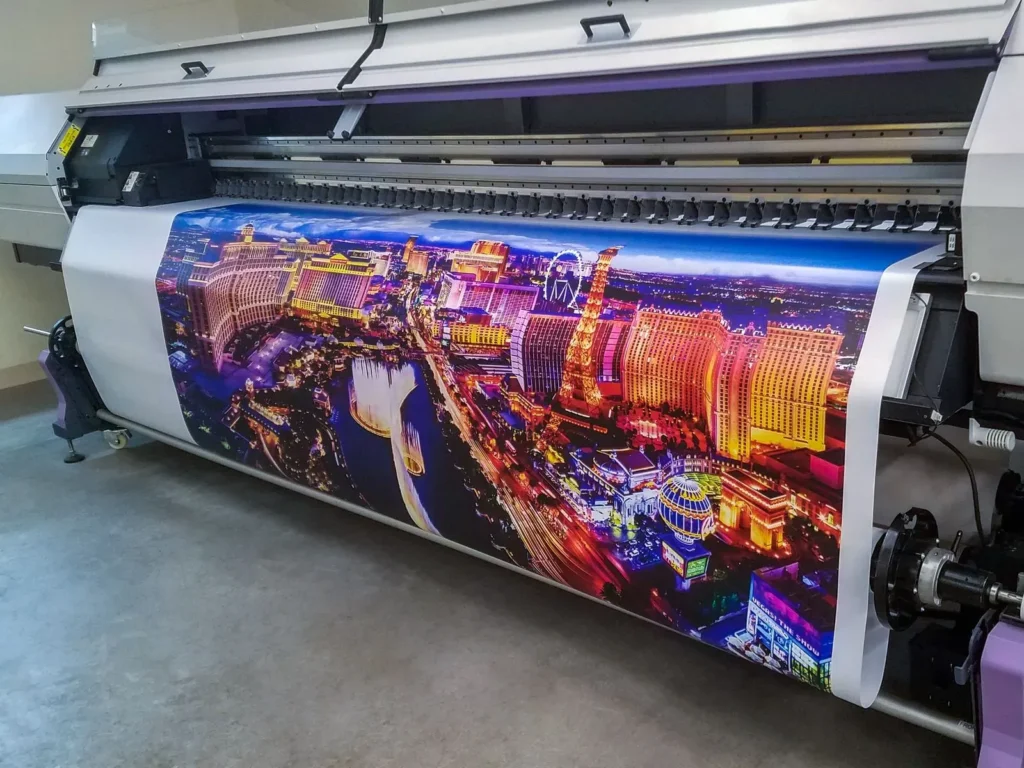
Custom Banner Printing is more than a simple transfer of a design; it’s a strategic tool for visibility, brand recognition, audience engagement, and measurable impact at events, storefronts, and campaigns. When you choose banner printing materials and finishes with an eye toward outdoor banner durability, you can create signs that resist wind, rain, and sun, while producing crisp text and vibrant imagery—qualities that help UV-resistant banners maintain legibility across time. Vinyl banner finishes provide a reliable backbone for long-lasting displays, with options ranging from matte to gloss that influence glare, color fidelity, and moisture resistance while keeping production costs sensible. For controlled lighting, matte vs glossy banner finishes can balance legibility, reduce reflections in bright daylight, and support diverse substrates, from vinyl to fabric, ensuring consistent branding whether indoors or in outdoor plazas. By aligning choice of material, finish, and installation with your campaign timeline and environment, you maximize readability, brand consistency, and return on investment across indoor campaigns, outdoor events, and high-traffic locations.
From a broader signage perspective, the topic blends large-format printing with strategic branding and audience reach. Alternative terms such as promotional banners, outdoor signage, and venue graphics emphasize durability, color fidelity, and readability in real-world conditions. Consider substrates like PVC-free fabrics, mesh, and reinforced vinyl, along with print methods and coatings that enhance weather resistance and ease of installation. In practice, choosing a compatible combination of substrate, finish, and mounting hardware ensures signs perform across indoor exhibits, retail displays, and outdoor events.
Custom Banner Printing: Choosing the Right Materials — From Vinyl to Fabric
In Custom Banner Printing, the material you choose affects life span, weather resistance, readability, and storage. Banner printing materials range from vinyl banners—the industry standard for durability and versatility—to PVC-free fabrics that offer premium tactile feel and drape. For outdoor use, typical weights like 12–18 oz and reinforced hems with grommets improve wind resistance and overall longevity.
Indoor campaigns benefit from PVC-free fabrics and knit textiles for a refined look, while vinyl remains the go-to for long-lasting outdoor performance. Consider UV inhibitors to reduce fading and balance budget with campaign length. Align material choice with installation hardware and storage needs to maximize durability, readability, and ease of reuse across events.
Outdoor Banner Durability: Weather, Wind, and UV Protection
Outdoor banner durability hinges on material, finish, and mounting conditions. For exposed locations and high-traffic displays, choose vinyl with UV-stable inks, reinforced hems, and rust-resistant grommets to withstand sun, rain, and wind. Mesh banners can offer wind relief for large displays along highways or stadiums, though they may sacrifice some opacity compared with solid panels.
In areas with strong sun or salt spray, UV inhibitors and fade-resistant inks extend color life. For very windy sites, thicker vinyl (higher oz weight) and secure hardware help prevent tearing. Understanding these factors lets you select materials and finishes that maintain readability and brand impact over months of outdoor exposure.
Finishes That Make Your Message Pop: Matte vs Glossy vs Satin
Finishes determine legibility and visual impact. Matte finishes avoid glare, making text easier to read in bright daylight, while gloss finishes deliver vivid color and high contrast for photography-heavy banners. Satin or semi-gloss offers a balanced look with moderate glare control, ideal for retail displays and storefront signage.
Beyond appearance, lamination and coatings alter durability. Matte lamination reduces reflectivity and fade, while gloss lamination enhances scratch resistance and color saturation. UV coatings can further extend outdoor life by slowing color fading from sun exposure, improving long-term readability. For vinyl banners, consider vinyl banner finishes like matte, gloss, or satin to control glare and color saturation.
Color Management and Print Quality in Banner Printing: UV Coatings, ICC Profiles, and Color Fidelity
Print methods directly affect color fidelity and durability. Digital wide-format printing is the workhorse for banners on vinyl and fabric, while dye-sublimation infuses color into fabric banners with excellent wash-fastness. UV-LED inks cure quickly and resist fading, supporting outdoor banners that stay vibrant in challenging light conditions.
To ensure accurate color, many printers use ICC color profiles and color calibration, with proofs offered before production. UV coatings and fade-resistant inks support UV-resistant banners for outdoor use, and choosing the right finish helps maintain brand-consistent hues across campaigns. Understanding banner printing materials and finishes enhances color fidelity across all display environments.
Maintenance, Storage, and ROI of Custom Banner Printing
Proper care extends banner life. Cleaning with a soft damp cloth, avoiding harsh solvents, and storing by rolling rather than folding helps prevent creases. Reuse and modular designs enable updates without replacing the entire banner, improving overall ROI for campaigns that run across multiple events.
For outdoor banners, plan for weather exposure and store rolled in a cool, dry place when not in use. Consider the total cost of ownership—including printing, hardware, installation, and storage—and weigh it against the banner’s lifespan and performance in high-traffic locations. By focusing on banner printing materials and finishes that suit your environment, you can maximize value over time.
Frequently Asked Questions
In Custom Banner Printing, how do you choose banner printing materials to balance durability and readability?
When planning Custom Banner Printing, start with indoor vs outdoor use. For outdoor banners, vinyl banners (typically 12–18 oz) with UV inhibitors offer durable performance, while PVC-free fabrics can work well indoors or for short-term outdoor campaigns. Material choice also affects readability, handling, and storage, so match weight and weave to your campaign timeline.
For outdoor banner durability in Custom Banner Printing, which materials and finishes perform best?
Outdoor durability hinges on robust materials and hardware. Vinyl banners with reinforced hems and rust-resistant grommets provide long-lasting performance, supported by UV-resistant inks or coatings to resist fading. If wind is a concern, consider mesh banners to reduce wind load while preserving message clarity.
What is the difference between matte vs glossy banner finishes in vinyl banners within Custom Banner Printing?
Matte finishes minimize glare, improving readability in bright daylight and indoor settings. Glossy finishes deliver vibrant color and strong contrast but can introduce glare from direct lighting. Satin is a middle ground, offering balanced color and glare control for versatile banners.
How do UV-resistant banners factor into Custom Banner Printing to extend color life in sun-exposed locations?
UV-resistant banners use UV-curable or resin-based inks and UV inhibitors to slow color fading. Pair UV-resistant inks with UV coatings or laminations to maximize outdoor life, especially in sunny climates. This combination helps maintain legibility and brand impact over months of exposure.
Why should I consider vinyl banner finishes when planning a banner printing project in Custom Banner Printing?
Vinyl banner finishes influence color fidelity, glare, and durability. Matte finishes reduce reflections for easier reading, while gloss finishes enhance color depth and contrast. Lamination or coatings add scratch resistance and fade protection, and UV coatings can further extend outdoor life.
| Aspect | Key Points | Practical Takeaways |
|---|---|---|
| Materials | Vinyl banners: durable and versatile with UV inhibitors for outdoor use; 12–18 oz thickness; reinforced hems/grommets. PVC-free and fabric options offer eco-friendly premium feel and excellent print quality but may be less durable outdoors. Mesh banners provide wind passage to reduce wind load. Other specialty materials include scrim-backed fabrics for a premium indoor look. Key factors: weight/thickness, finish, weather exposure, and hardware (grommets, pole pockets, Velcro). | Choose material based on indoor vs outdoor use, expected life, weather, and budget. |
| Finishes | Matte reduces glare; Gloss delivers vivid color but can cause glare in certain angles; Satin/semi-gloss balances color with moderate glare. Lamination/coatings offer protection (matte lamination reduces reflectivity; gloss lamination increases scratch resistance). UV coatings and UV-resistant inks extend outdoor life. | Match finish to readability and climate; apply UV protection for outdoor banners. |
| Durability (Indoor/Outdoor) | Indoor: fabrics or PVC-free substrates with matte finishes for premium appearance and easy storage; banners are often reused, so fold/roll without creasing. Outdoor: vinyl is the go-to for longevity; reinforced hems, rust‑resistant grommets, UV-stable inks. Mesh reduces wind load for large displays. Weather considerations: coastal/high winds require thicker vinyl, reinforced edges, and robust mounting; humidity and cold can affect materials. | Plan for environment and campaign duration; select materials with suitable weather performance. |
| Print methods | Digital wide-format printing: fast turnarounds with sharp text and vibrant colors; Dye-sublimation: ideal for fabric banners with excellent wash-fastness; UV-LED and solvent inks: strong adhesion and fade resistance. | Choose method based on substrate and durability needs. |
| Design tips | Keep text legible from distance; use clean sans-serif fonts; ensure minimum font sizes for viewing distance (roughly 10–15 feet). Prioritize branding with clear logos; use high-resolution imagery (150–300 DPI at target size); limit the message to a single offer; include essential details and a QR code for more information. | Design for readability, branding consistency, and scannable information. |
| Maintenance & storage | Cleaning: wipe with soft, damp cloth; avoid harsh solvents. Storage: roll banners; store in a cool, dry place away from direct sunlight. Reuse: consider modular designs that can be updated with new panels. | Careful storage and modular design extend life. |
| Cost & ROI | Vinyl offers the best outdoor durability per dollar; Fabric provides premium indoor look but may require more frequent replacement in harsh climates. Finishes influence aesthetics, readability, and glare. Consider total cost of ownership: printing, hardware, installation, and storage. | Balance material quality, finish, and expected life to optimize ROI; account for total ownership costs. |
| Choosing a partner | Ask for proofs, color calibration, and warranties. Inquire about ICC color profiles, outdoor warranty duration, and proofs before production. Confirm lead times, order minimums, and bulk discounts. A good supplier guides material selection based on location, campaign length, and installation method. | Work with a supplier who offers proofs, color accuracy, warranties, and location-specific guidance. |
| Conclusion / Summary | Summary of key points: selecting the right banner materials, finishes, and printing methods maximizes visibility, readability, and durability for both indoor and outdoor campaigns. | Overall, the right combination of materials and finishes keeps messages legible, vibrant, and impactful long after installation. |
Summary
Custom Banner Printing is a strategic blend of material science, surface finishing, and practical design. By selecting the right vinyl or fabric substrates, pairing UV-protected inks and coatings, and combining legible typography with bold branding, you can maximize visibility and campaign longevity across indoor venues and outdoor events. Indoor banners benefit from PVC-free fabrics and matte finishes for a premium look and easy storage, while outdoor banners rely on vinyl with reinforced hems, rust-resistant grommets, and UV-stable inks to resist weather and sun. The chosen print method—digital wide-format for speed or dye-sublimation for fabric—helps maximize color fidelity and durability. Thoughtful design, consistent branding, and a reliable partner for proofs and color calibration complete the workflow, ensuring your message remains impactful from launch through the campaign lifespan.