
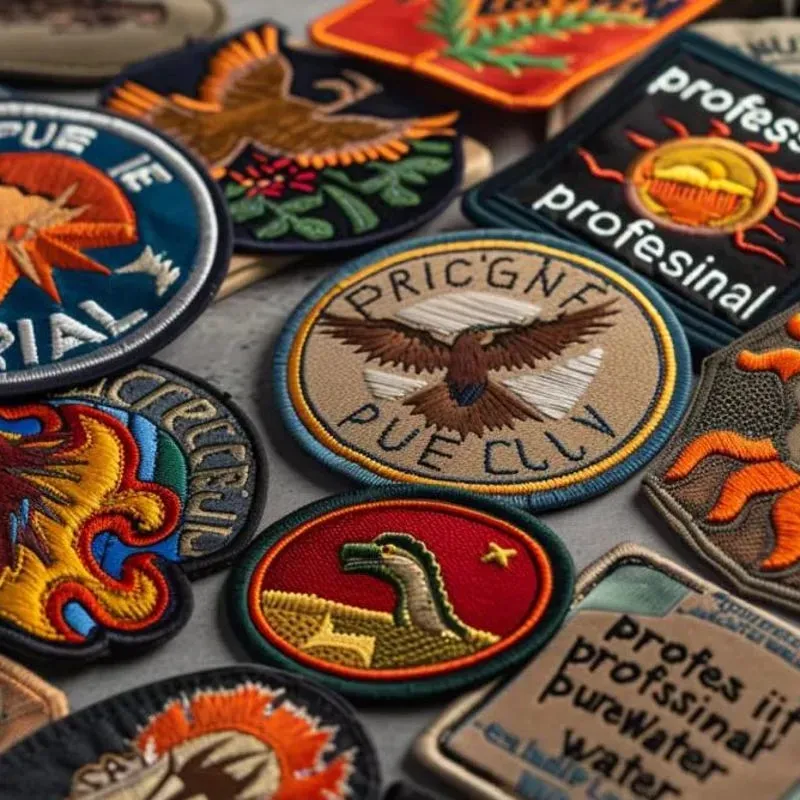
Custom Embroidered Patches are a powerful way to extend a brand, celebrate a team, or commemorate an event. From jackets and hats to backpacks and uniforms, these patches blend durability with precise, eye-catching detail, a hallmark of embroidered patches. With color control and a smooth transition from concept to production, you can scale your patch program while preserving brand integrity. Low minimums have opened these options to small teams and startups, enabling pilots and limited runs without large upfront commitments. In short, a well-managed patch program strengthens recognition and loyalty across your audience.
In other words, these durable branding insignias—often called custom patches or embroidered badges—serve as portable ambassadors for your story. Navigating the journey from idea to wearable product involves a dedicated patch production workflow, including digitizing artwork, color proofs, and finishing touches. Even small groups benefit from low minimums, enabling experimentation with backing options, borders, and sizes without overinvesting. By framing the process in design-to-manufacture terms, brands can forecast outcomes and coordinate timelines for a smooth, scalable supply.
From Concept to Production: The Journey of Custom Embroidered Patches
Turning a rough idea into a tangible patch begins with a clear concept. For custom patches, designers translate brand narratives into artwork that scales from a small chest badge to a full-back patch. In the concept to production cycle, the focus is on stitch count, density, and fabric behavior to ensure durability and color accuracy across wear.
A skilled digitizer converts art into machine-ready embroidery files, mapping stitch types and color changes to protect the vision while keeping production efficient. By documenting design intent and approving proofs, teams set a foundation for patch production that respects budget and timelines, ensuring consistent results across batches. The journey from concept to production requires collaboration among designers, embroiderers, and quality teams.
Patch Types and Backing Options: Choosing the Right Fit for Embroidered Patches
Selecting the patch type shapes how it looks, feels, and lasts. Traditional embroidered patches with merrow borders offer a classic, durable option, while smoothed edge finishes can deliver a more integrated aesthetic. In patch production, choosing the right backing—iron-on, sew-on, or Velcro—affects installation ease and wear, and low minimums make it practical to test multiple configurations.
With different backings, consider application environment, laundering, and removal needs. The production plan can include small test runs to compare adhesion, edge integrity, and how fabrics interact with stitch density. By aligning backing choice with wearer’s needs, you optimize performance while keeping costs predictable for custom patches.
Materials and Color: Crafting Durable Custom Patches that Pop
Material choices drive longevity and the visual punch of embroidered patches. Polyester thread is the workhorse for its durability and colorfastness, while rayon can offer a subtle sheen for premium looks. For outdoor use or frequent washing, UV-resistant threads and precise color matching—Pantone or PMS—help maintain vibrancy in custom patches and embroidered patches alike. For best results with Custom Embroidered Patches, color fidelity is essential.
The fabric base—denim, twill, leather, canvas—interacts with thread density, so it’s important to consider how stitch counts will appear on each surface. Color accuracy is essential; many buyers request a proof or digital swatch to ensure alignment with brand guidelines and expectations for patch production.
Low Minimums and Production: Small Batches with Big Branding Impact
The landscape of patch production has shifted toward low minimums, empowering small teams to bring ideas to life. Basic patches can sometimes be produced in runs as small as 25–50 pieces, while higher-end options support even tighter turns. This flexibility allows testing of designs, placements, and colorways without overinvesting in inventory.
Low minimums also enable pilot programs, limited-edition releases, and club patches, providing a practical path from concept to production. When planning, discuss quantities, backing preferences, and turnaround times with your supplier to design a plan that protects quality while staying within budget.
The Production Pipeline: From Proof to Finished Patch
A smooth production pipeline minimizes surprises and keeps timelines on track. The typical journey starts with design finalization, followed by digitizing into stitch files that dictate needle paths and densities. A color proof or digital swatch confirms color accuracy before any stitches are placed, laying the groundwork for consistent results in patch production.
A physical sample patch provides a tangible preview of size, edge finish, and backing. After approval, the factory completes the run and applies backing, finishing touches like merrow edge trimming or heat sealing. Embracing thorough proofing reduces rework and ensures your patch stays aligned with brand standards from concept to production.
Finishing, Packaging, and Sustainability for Long-Lasting Patches
Post-production finishing—edge options such as merrow borders, hot-cut edges, or laser-cut shapes—affect aesthetics and durability. Backing is applied per your choice, and patches are carefully counted and packed to protect them in transit. Sustainability considerations are increasingly important; many suppliers offer recycled base fabrics and eco-friendly packaging to reduce environmental impact while preserving quality in custom patches.
A thoughtful packaging strategy enhances the unboxing experience and helps maintain color integrity during shipping. Even with low minimums, you can select finishes and packaging that reinforce your brand’s premium feel and support responsible production practices, ensuring your patches stay meaningful and durable for wearers.
Frequently Asked Questions
What are Custom Embroidered Patches and how can they boost brand reach?
Custom Embroidered Patches are durable, embroidered badges you apply to apparel and gear. They extend brand identity across jackets, hats, bags, and uniforms, delivering precision, color, and texture that stand up to wear. The process can move from concept to production with low minimums, making it feasible for small teams and startups to bring ideas to life.
How does the concept to production workflow work for Custom Embroidered Patches?
From concept to production, you start with a clear patch concept, artwork, and a plan for how the patch will be used. A digitizer turns artwork into machine ready embroidery files, mapping stitch types, densities, and color changes. You review color proofs and a physical sample before approving the final run, ensuring the finished patch matches the vision.
What patch production options should I consider for Custom Embroidered Patches?
Patch production options include traditional merrow bordered patches for a classic look or smooth edges tailored to your design. Backing choices such as iron on, sew on, or Velcro affect how you apply and update patches. With low minimums, you can test multiple backing options in a single order to find what works best.
Can small clubs or startups use low minimums for custom patches and still achieve quality?
Yes. Custom patches and embroidered patches with low minimums let small clubs, startups, and teams order pilot runs without large upfront commitments. You can validate design, test wearability, and refine colors before larger production.
How do you ensure color accuracy and material durability in embroidered patches during patch production?
Color accuracy in embroidered patches is achieved with color management, proofs, and reliable materials. Use Pantone or PMS references, UV resistant threads for outdoor use, and durable fabrics to preserve the look over time.
What factors influence the cost and turnaround of Custom Embroidered Patches in patch production?
Cost and turnaround depend on size, stitch density, number of colors, backing, and run length in patch production. Starting with a clear concept and proofing helps control costs, while low minimums reduce risk when testing new designs.
| Topic | Key Point | Notes / Examples |
|---|---|---|
| Purpose of Patches | Extend a brand, celebrate a team, or commemorate an event; patches travel with your audience across jackets, hats, backpacks, and uniforms. | Patches offer durability, visual impact, and flexible branding across materials. |
| Design & Concept | Translate concept into a stitch-ready design; artwork, mood boards, and digitizing to machine-ready embroidery files; plan for size variations. | Ensures consistency across sizes and fabrics; plan stitch types, densities, and color changes. |
| Patch Type & Backing | Choose patch type by use; traditional embroidered patches with merrow borders for durability and a classic look; edge finishes can be tailored. | Backings include iron-on, sew-on, and Velcro; low minimums allow testing multiple options on one order. |
| Materials & Color | Thread quality and fabric base influence lifespan and appearance; polyester is durable, rayon adds sheen; UV-resistant threads; Pantone/PMS color matching; proofs for color accuracy. | Different fabrics interact with thread count and density; color accuracy is essential. |
| Low Minimums & Production | Low minimums (as low as 25–50) enable pilots and small teams; maintain the same quality; plan quantities and turnaround with supplier. | Great for clubs, startups, limited editions; reduces financial risk. |
| Production Pipeline | Design finalization, digitizing, color proof, sample, and production run; proofs ensure color accuracy and minimize rework. | Physical sample previews guide size, edge finish, and backing; careful proofing aligns with brand standards. |
| Finishing & Packaging | Edge finishing options (merrow, hot-cut, laser-cut); backing applied; packaging to protect color; unboxing experience. | Affects aesthetics, durability, and perceived value; suitable for storefronts, uniforms, or event kits. |
| Practical Tips | Define design intent; request proofs early; run multi-variant tests; ensure branding consistency; budget for finishing touches. | Helpful for managing expectations and ensuring consistent color and texture across runs. |
| Applications & Real-World Scenarios | Patches convey belonging, reward achievement, or serve as mementos; durable and portable; low minimums support limited runs. | Ideal for brands, clubs, schools, bands, and charity groups. |
| Quality Assurance & Sustainability | Color accuracy, stitch integrity, and environmental considerations; recycled fabrics, water-based inks, responsible packaging. | Transparent supplier partnerships help maintain standards while respecting budget. |
Summary
Custom Embroidered Patches are a powerful, tangible way to extend a brand and celebrate a team or commemorate an event, delivering durable branding across jackets, hats, backpacks, and uniforms. This overview covers design-to-production, materials, backing options, low minimums, and the production pipeline, illustrating how careful digitizing, color management, and thoughtful proofing enable small teams to achieve high-quality results. With Custom Embroidered Patches, brands can scale from concept to finished patches that look sharp, wear well, and stay within budget across multiple runs.