
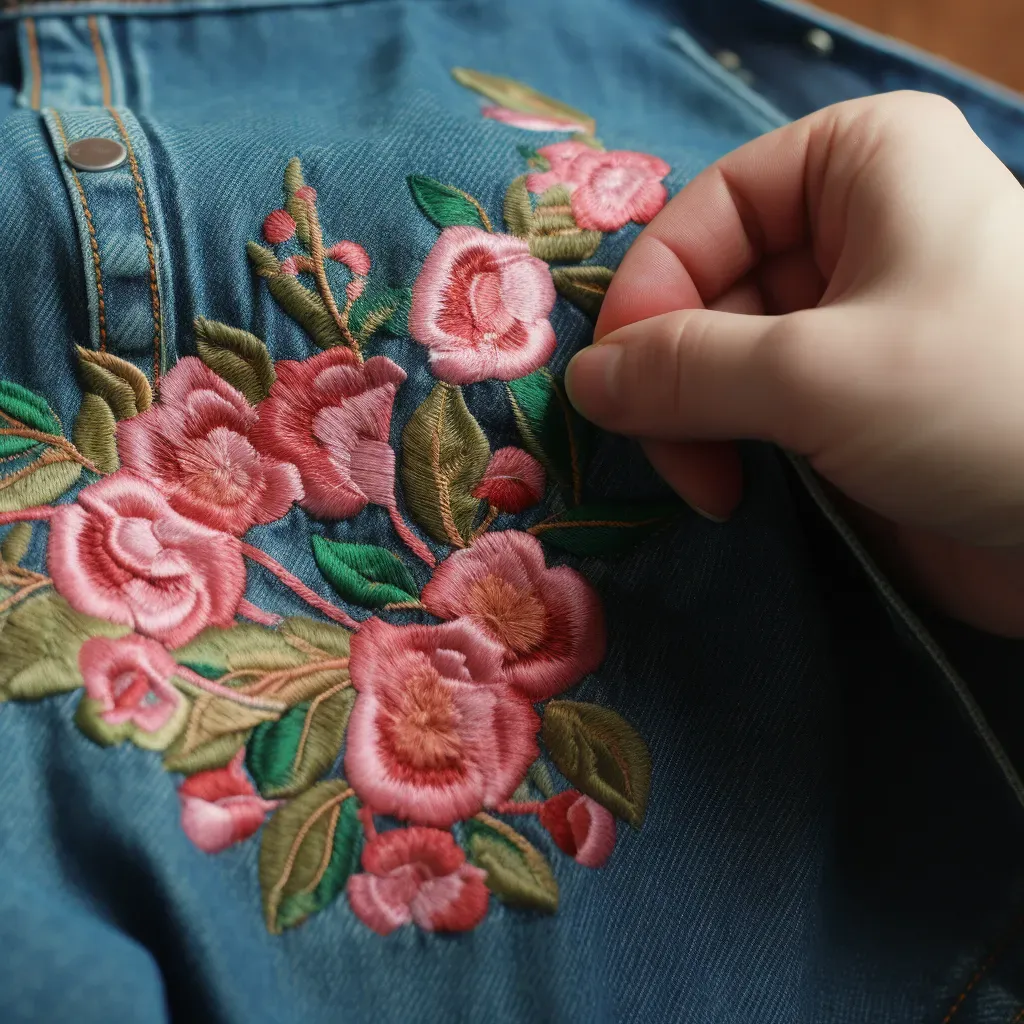
Embroidered clothing care is essential to preserve the texture, color, and intricate details that make embroidery stand out. When done well, care routines reveal how to wash embroidered clothes while protecting stitching from fraying, color bleed, and fabric wear. This guide also covers care tips for embroidered garments and long-term preservation of designs, including detergent selection, gentle washing approaches, and proper storage. By following gentle methods and choosing the right products, you can extend the life of heirloom and contemporary designs alike. Whether your wardrobe features delicate motifs or bold needlework, consistent, mindful care makes embroidery endure.
From a broader perspective, embroidered textiles deserve careful maintenance that respects both thread and fabric. When discussing how to approach these pieces, people often compare machine washing vs hand washing embroidery to balance convenience with gentleness. Practical guidance on stain removal embroidery and fabric-safe cleaning strategies helps preserve color, texture, and stitch integrity across different garment types. This approach aligns with embroidery fabric care tips that emphasize delicate handling, proper drying, and storage considerations to extend the life of embroidered items.
Embroidered clothing care: essential tips to preserve color and texture
Embroidered clothing care begins with careful inspection and gentle preparation. Before washing, examine stitches for loose threads, trim frays, and check the backing to prevent unraveling in water. Caring for embroidery protects both color and texture, helping pieces stay vibrant for seasons and preserving heirloom details. Following care tips for embroidered garments can reduce snagging and extend the life of your embellished items.
Turn the garment inside out, pre-treat stains sparingly, and choose a mild detergent designed for delicates. Avoid chlorine bleach, especially on colored embroidery, to prevent fading and fiber weakening. This approach aligns with embroidery fabric care tips and supports colorfastness while keeping threads flexible for future wear.
Hand washing vs machine washing embroidery: choosing the best method
Choosing between hand washing and machine washing embroidery depends on fabric type and stitch density. Delicate chiffon with fine satin stitches benefits from gentler handling, while sturdier denim with dense embroidery may tolerate a gentle machine wash. Understanding machine washing vs hand washing embroidery helps you tailor care to the garment and extend its life.
If you opt for machine washing, select a gentle cycle in cold water and place the item in a mesh bag to guard against rubbing. Use a mild detergent and avoid overloading the machine. When in doubt, prioritize hand washing or consult the garment’s care label; these steps reflect the core idea of machine washing vs hand washing embroidery.
How to wash embroidered clothes: practical steps for safe cleaning
Start with a patch test on an inconspicuous area to check colorfastness and fabric reaction. Fill a basin with lukewarm water, add a small amount of mild detergent, and gently swish the garment without aggressive rubbing. This approach directly addresses how to wash embroidered clothes and protects thread integrity during cleaning.
Rinse thoroughly, avoid wringing, and lay flat to dry or hang on a padded hanger away from direct sunlight. If you must machine wash, follow the gentle cycle guidelines and use a mesh bag to cushion the embroidery. These practical steps balance effective cleaning with preservation of stitches and fabric.
Stain removal embroidery: gentle techniques that protect stitches
Stain removal embroidery begins with a patch test and gentle dabbing rather than scrubbing. Apply a mild detergent solution or a small amount of dish soap to the spot and blot—never rub—so you don’t loosen stitches. This approach minimizes risk to the embroidery while breaking down everyday stains.
For stubborn stains, consider a fabric-safe stain remover after testing, and avoid applying directly to metallic threads or finished embroidery. If staining extends into the embroidery itself, consult a professional cleaner who specializes in embroidered garments. Timely treatment improves your chances of removing the stain without damaging the stitching.
Care tips for embroidered garments: storage, maintenance, and longevity
Storage is a critical part of Embroidered clothing care; keep pieces in a cool, dry place away from direct sun and use padded hangers for lighter items. If folding, place tissue between folds to prevent creasing on embroidered surfaces, and consider a breathable garment bag for delicate fabrics. Mindful storage reduces color bleed, fiber fatigue, and snags over time.
Regular maintenance helps preserve the design. Check for loose threads, replace worn stabilizers, and use color-safe detergents to minimize color transfer between threads and base fabric. With consistent care, you can maintain the crisp look and strength of embroidery across seasons.
Embroidery fabric care tips: stabilizers, threads, and finishing touches
Understanding embroidery fabric care tips involves knowing fabric types, thread materials, and stabilizers. Different bases—from cottons to silks and denims—respond differently to stabilizers and tension, so adjust your approach to protect fiber integrity and stitch longevity. This awareness guides your decisions about washing, drying, and storage across varied garments.
Finishing touches like low-heat ironing with a pressing cloth, careful steaming at a distance, and storage away from direct sun help maintain lift and color. A thoughtful routine for finishing touches keeps embroidery looking fresh and the underlying fabric stable through seasons.
Frequently Asked Questions
Embroidered clothing care: what is the safest approach when washing—hand washing or machine washing embroidery?
For embroidered clothing care, hand washing is typically the safest option for most fabrics. Use lukewarm water, a mild detergent, and gentle swirling without rubbing or wringing. If you must machine wash, select a gentle cycle with cold or lukewarm water, place the garment in a mesh bag, and avoid overloading the machine to protect the stitches.
What are care tips for embroidered garments to prevent fraying and color fading during regular washing?
Start by inspecting for loose threads and trimming frays. Turn the garment inside out, use a mild detergent, and avoid bleach. Wash in a mesh bag on a gentle cycle, and air dry or lay flat to preserve stitch integrity and color.
In stain removal embroidery, what steps should I take to remove stains without harming the embroidery?
Test any stain remover on an inconspicuous area first. Gently dab with a mild detergent solution and rinse; avoid aggressive scrubbing that can loosen stitches. For grease, apply a small amount of dish soap to the stain before washing. If a stain persists on embroidery, consider professional cleaning.
What embroidery fabric care tips should I follow to protect different thread types and fabrics when washing?
Use a pH-balanced, mild detergent and cold or lukewarm water. Avoid hot water and harsh detergents that can fade colors or weaken fibers. If possible, choose detergents formulated for delicates and use a mesh bag for extra protection, especially with metallic threads or sequins.
How should I dry and iron to maintain embroidered clothing care and preserve stitch integrity?
Air dry whenever possible; lay the garment flat on a clean towel and reshape the embroidery. If you use a dryer, choose the lowest heat and place the item in a mesh bag. Iron on the reverse side with a pressing cloth, and consider steaming from a distance to relax wrinkles without stressing the embroidery.
What storage practices support embroidery fabric care tips and longevity of embroidered garments?
Store in a cool, dry place away from direct sunlight. Use padded hangers for lighter items or fold with tissue between folds to prevent creasing. For delicate pieces, store in a breathable garment bag and regularly check for loose threads or fraying to address issues before they worsen.
| Aspect | Key Points |
|---|---|
| Introduction / Purpose | Embroidery adds texture, color, and personality; care prevents fraying and dullness; aim is gentleness and using the right tools. |
| Understanding embroidery on fabrics | Thread types (polyester, rayon, cotton, silk) and base fabrics affect washing/drying; determine stabilization method to protect fibers and stitches. |
| Pre-wash checks | Inspect for loose threads, fraying, or backing; trim frayed ends; repair or stabilize if stitches pull away. |
| Preparation | Turn garment inside out; pre-treat stains; use mild detergent for delicates; avoid bleach; metallic threads require extra care; consult professional for damaged or vintage items. |
| Washing guidelines | Hand washing safest: lukewarm water, mild detergent, gentle agitation, no wringing; Rinse thoroughly. Machine washing: gentle cycle, cold/warm, use mesh bag, do not overload, use delicate detergent; when in doubt, hand wash. |
| Detergent & water temperature | Use pH-balanced mild detergent; hot water may shrink/bleed; lukewarm is safe; avoid optical brighteners on colored embroidery; for whites and light colors, caution with brighteners; dark colors avoid bleach. |
| Stain removal | Test on inconspicuous area; dab with mild detergent solution; avoid aggressive scrubbing; dish soap for grease; use fabric-safe stain remover with caution; consult professional for stubborn stains; treat promptly. |
| Drying & ironing | Air dry when possible; lay flat; avoid direct sun; if using dryer, low heat in mesh bag; iron on low heat with pressing cloth; use steam from distance; avoid ironing directly on stitches or reverse side to protect lift. |
| Storage & longevity | Store in cool, dry place; padded hangers or careful folding; tissue between folds; breathable garment bag for large/ delicate embroidery; monitor for color transfer; regular maintenance checks. |
| Special care for delicate fabrics & vintage | Use lighter stabilizers, lower tension; hand-stitching for detail; for vintage/heirloom, professional cleaning and archival storage; consult textile specialist. |
| Practical care routines for wardrobe items | Different items require tailored care: everyday tops with gentle care; jeans on gentle cold cycle in mesh bag; formal embroidery spot-cleaned and professional cleaning when needed; maintain stitches and replace stabilizers as needed. |
Summary
Conclusion: Embroidered design care invites you to treat every stitch as a small story, where gentle handling, mindful washing, and careful storage preserve color, texture, and the integrity of the embroidery. By following the practical tips outlined for washing, stain removal, drying, and storage, you can extend the life of cherished pieces and keep embroidery vibrant for years. Whether you own heirloom items or modern embroidered garments, consistent care allows the design to endure and tell its story for years to come.