
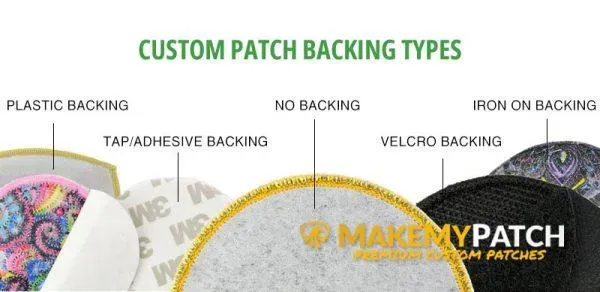
Patch backings are the quiet workhorse behind every great patch project, shaping not only how the patch stays in place but how easily it can be applied, washed, and reused across different garments, fabrics, and wear cycles. Choosing the right backing matters because it influences durability, fabric compatibility, how it feels against the skin, and the long-term performance under repeated laundering, stretching, or outdoor exposure. For many projects, adhesive patch backing is a convenient option that provides a fast, clean bond without sewing. The best choice depends on fabric type, weight, weave, and whether the patch will face abrasion, heat, moisture, or frequent washing, as well as whether you need a temporary or permanent result. This guide outlines the key differences and practical tips—such as fabric compatibility, cleaning hints, and compatibility with embellishment techniques—to help you pick the right backing for your fabric, patch size, and care routine.
From a semantic perspective, patch infrastructure can be viewed as the support layer that partners with fabric to determine grip, elasticity, and wash durability. Alternative terms for these backings include adhesive layers that enable temporary attachment, heat-activated bonds, and reusable hook-and-loop systems, all described through related constructs rather than brand names. By weaving these related concepts—bonding methods, fasteners, and stitching-based options—into your planning, you gain a clearer sense of how each choice affects wear, care, and the look of the patch on different fabrics.
Patch backings: Choosing the right backing for your project
Patch backings act as the invisible anchor for every patch, influencing how securely it stays, how easy it is to apply, and how well it wears over time. When selecting backing technology, consider the fabric type, the anticipated wear, and the washing or cleaning routine to be sure the patch remains visually appealing and durable.
By understanding the spectrum of options—ranging from adhesive patch backing to sew-on patch backing—you can tailor your choice to goals like temporary displays, everyday wear, or high-friction environments. This holistic view also helps you weigh the trade-offs between ease of use, removal potential, and long-term resilience across different fabrics and care needs.
Adhesive patch backing: quick, user-friendly attachment for lightweight to midweight fabrics
Adhesive patch backing is a popular, no-sew solution that given patches a quick, press-on bond. It’s especially convenient for projects where you want to avoid sewing or heat activation, making it ideal for lightweight cottons, blends, or fabrics that tolerate adhesive contact without stiffness.
Durability can vary with fabric and laundering, so it’s wise to test adhesion on a scrap area and follow care instructions. Adhesive patches excel in temporary displays or situations where repositioning is needed, but they may require reapplication sooner on high-friction surfaces or after repeated washing.
Heat seal patch backing: durable, wash-ready bonds for uniforms and synthetic fabrics
Heat seal patch backing creates a strong bond by activating an adhesive layer with heat, making it a staple for school emblems, sports teams, and work uniforms. The process typically uses a household iron or heat press to apply consistent temperature and pressure, producing a stable, long-lasting attachment.
This backing works well on polyester, nylon, and many blends, but heat sensitivity remains a factor for some fabrics. Always follow temperature recommendations and testing guidelines on scrap fabric to avoid scorching and to ensure the patch remains securely bonded through frequent washing.
Velcro patch backing: reversible, swappable patches for dynamic branding
Velcro patch backing uses hook-and-loop closures to enable easy swapping and reordering of patches. This makes it a practical choice for team uniforms, event badges, and gear that benefits from multiple emblems without permanent alteration to the fabric.
Durability hinges on the loop material quality and the cleanliness of contact surfaces. Velcro backings shine in environments that demand flexibility, but ensure the fabric surface is compatible and that laundering won’t degrade the hook-and-loop engagement over time.
Iron-on patch backing: convenient heat-activated adhesion embedded in the patch
Iron-on patch backing relies on heat-activated adhesive embedded in the patch itself, distinguishing it from external heat seal methods. This option offers straightforward alignment and pressing steps, making it popular for DIY projects, school crafts, and hobby sewing.
It performs best on cotton and natural fibers, with longevity varying on synthetics and high-frequency washing. To maximize adhesion, use appropriate heat settings and cooling time, and consider reinforcing high-wear edges with light stitching for extra security on active garments.
Sew-on patch backing: the traditional, long-lasting anchor for durable wear
Sew-on patch backing represents the classic, most durable option, requiring stitching the patch to the fabric. This method provides strong anchoring across fabric types and remains reliable through repeated washing and heavy use.
For leather, denim, canvas, or workwear, sewing delivers excellent resistance to peeling and distortion. Practical tips include tight, color-matched stitching, optional edge reinforcement with satin or zigzag stitches, and, when invisibility is desired, a hidden stitch technique to achieve a polished finish.
Frequently Asked Questions
What are patch backings and how does adhesive patch backing influence the ease of application and removal?
Patch backings are the invisible layer that secures a patch to fabric. Adhesive patch backing bonds the patch to the surface without sewing or heat activation, making application quick and tool-free. To use it well, clean the fabric surface, press firmly for 10–15 seconds, and let it cure per the patch provider’s instructions. It’s convenient for temporary displays or fabrics that tolerate glue, but durability may be lower in high-friction areas or frequent washing, so test on a small area first.
How does heat seal patch backing work and which fabrics are best suited for it?
Heat seal patch backing uses a heat-activated adhesive to bond a patch to fabric. Apply with a calibrated iron or heat press at the recommended temperature and time, with even pressure. It’s highly durable on synthetic fabrics like polyester and nylon and on many blends, but heat-sensitive fabrics can discolor or warp if pushed too hot or too long. Always follow manufacturer guidelines and test on a scrap area before full application.
When should you choose Velcro patch backing over sew-on patch backing for a project?
Velcro patch backing offers repeatable attachment and easy removal, making it ideal for team uniforms, event badges, or gear that needs patch swaps. It consists of a patch with hook or loop material and a corresponding receiver on the garment. Durability depends on the loop quality and proper engagement; it’s great for reusability but can collect lint and may be less durable in very high-wear areas. Use Velcro when interchangeability matters; choose sew-on patch backing for long-term wear without swapping.
What should you know about iron-on patch backing in terms of durability and care?
Iron-on patch backing relies on heat-activated adhesive embedded in the patch itself and is simple to apply by heating and pressing according to the patch instructions. It works well on cotton and natural fibers, but longevity can vary on synthetic fabrics or with frequent washing. To maximize adhesion, avoid very high heat on delicate fabrics, use a protective layer during pressing, and allow the patch to cool completely. For extra security on high-wear areas, a light sewing around the edges can help.
What are the advantages and limitations of sew-on patch backing for long-lasting patches on heavy fabrics?
Sew-on patch backing is the traditional and often the most durable method, requiring stitching the patch to the fabric. It performs well on leather, denim, canvas, and other heavy fabrics, and it holds up well through repeated washing. The trade-off is that sewing is more time-consuming and may be visible on some designs. For best results, use tight stitches, match thread color to the patch, and reinforce edges with satin or zigzag stitches to prevent fraying.
Can you mix patch backings to combine security and versatility, and what are practical examples using adhesive patch backing, Velcro patch backing, or sew-on patch backing?
Yes, mixing patch backings can balance security and versatility. Practical approaches include using adhesive patch backing for quick initial placement on low-friction areas, then reinforcing with sewing for durability; applying Velcro patch backing when you need patch swaps without removing the base; or combining a heat-sealed patch with a light stitch to secure edges. Always test on your fabric, plan the design, and ensure the chosen combinations align with care and wash guidelines.
| Backing Type | How It Works | Best Uses | Pros | Cons |
|---|---|---|---|---|
| Adhesive patch backing | Adhesive on backing is pressed onto fabric; no sewing or heat activation required. | Temporary placements or fabrics tolerant of glue; lightweight materials. | Easy, quick, user-friendly. | Durability limited in high-friction areas; may affect some fabrics; washing effects. |
| Heat seal patch backing | Heat activates an adhesive layer to bond the patch to fabric using iron or heat press. | Synthetic fabrics like polyester/nylon; school emblems and uniforms. | Durable when applied correctly; strong on heat-friendly fabrics. | Can damage heat-sensitive fabrics; requires temperature control; test on scrap. |
| Velcro patch backing | Hook-and-loop system; patch engages with a matching receiver on the garment. | Patches that need swapping or repositioning; uniforms, badges, gear with changes. | Removable and reusable; easy patch swapping; works well on heavy fabrics. | Lint buildup; loops can be degraded by rough or frequent laundering; needs occasional cleaning. |
| Iron-on patch backing | Heat-activated adhesive embedded in the patch; apply with a hot iron according to instructions. | Cotton and natural fibers; DIY projects and crafts. | Simple to apply; widely available and quick. | Longevity varies with fabric and washing; may require extra stitching for high-wear areas; heat can affect delicate fabrics. |
| Sew-on patch backing | Patch is stitched to fabric by hand or machine. | Leather, denim, canvas, and heavy workwear; long-term wear. | Most durable; washable; secure across fabrics. | Requires sewing skills and time; visible stitches may be undesired. |
Summary
Patch backings define how patches stay attached, how they feel on fabric, and how long they last. Understanding the five main backing types—adhesive, heat seal, Velcro, iron-on, and sew-on—helps you choose the right option for fabric, design, and care. Selecting the right backing depends on fabric type, durability needs, patch size and shape, reusability, and aesthetics. Always test and follow care instructions to maximize longevity. With thoughtful selection of Patch backings, patches stay secure, look clean, and endure the tests of time.